
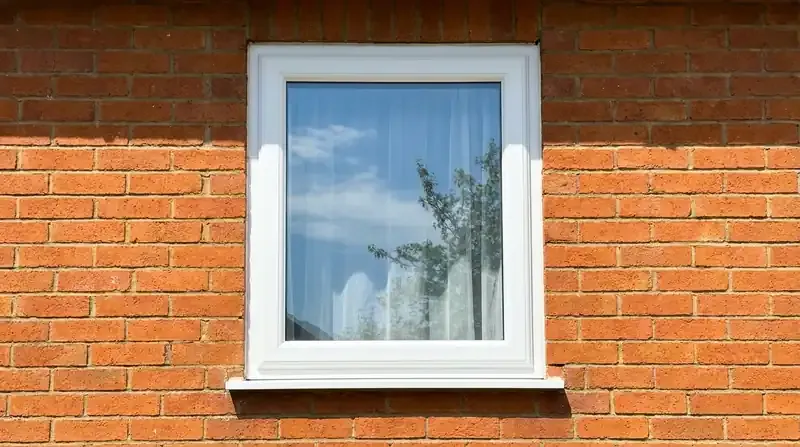
Hard-water marks
Essex has hard water. When it dries on glass (from a garden sprinkler, a dripping gutter, or a window cleaned with tap water and left to dry), it leaves chalky spots. Fresh marks come off with a mild descaler made for glass. Marks left for years can etch into the surface, and etched glass can be improved but not made perfect. We'll say which you have after the test patch.
Paint splashes
Emulsion usually softens with water and lifts off. Gloss and masonry paint need a solvent suited to glass and a lot of patience. On ordinary (annealed) glass a sharp blade held flat is the quickest route; on toughened glass we avoid blades, because glass makers warn they can scratch it.
Stopping it coming back
- Turn sprinklers away from the glass
- Fix leaking gutters that drip down the windows
- Have windows cleaned with purified water, which leaves nothing behind when it dries
Can every mark be removed?
No, and anyone who promises that isn't being straight with you. Mineral deposits sitting on the glass usually come off. Glass that has been etched by years of hard water, or scratched by an old clean, has changed for good. We test a small patch first and tell you what to expect before you book the whole job.
How to tell a deposit from etching
Wet the glass. If the mark disappears when wet and comes back when dry, it's likely a deposit sitting on top. If you can still see it, or feel roughness with a fingertip, the glass may be etched. Our post can hard-water marks be removed from glass doors explains more.
Paint on toughened glass
Most patio doors, French doors and low windows are toughened glass. A scraper blade can drag tiny particles across toughened glass and leave long scratches, so we don't use blades on it. We soak and work paint off instead. Our guide on removing paint splashes from windows covers the safe method.
Where the marks come from
- Sprinklers and hoses hitting the same panes
- Dripping gutters and overflow pipes above doors
- Washing cars and patios beside the glass
- Decorating without dust sheets on the sills
- Windows cleaned with tap water and left to dry
Fixing the source is the only way to stop new marks. We'll point it out if we can see it.
How long does stain removal take?
Longer than a normal clean, because it's done pane by pane. Light deposits on a pair of patio doors might take part of a morning; heavy, old build-up across several windows takes more. The test patch tells us how quickly the marks are coming off, so we can tell you how long the whole job will take.
Do you need to be home?
For outside glass, no, as long as we can reach it. For paint splashes inside, after decorating, we'll need access and the room clear of anything that could get wet.