
A medieval market town
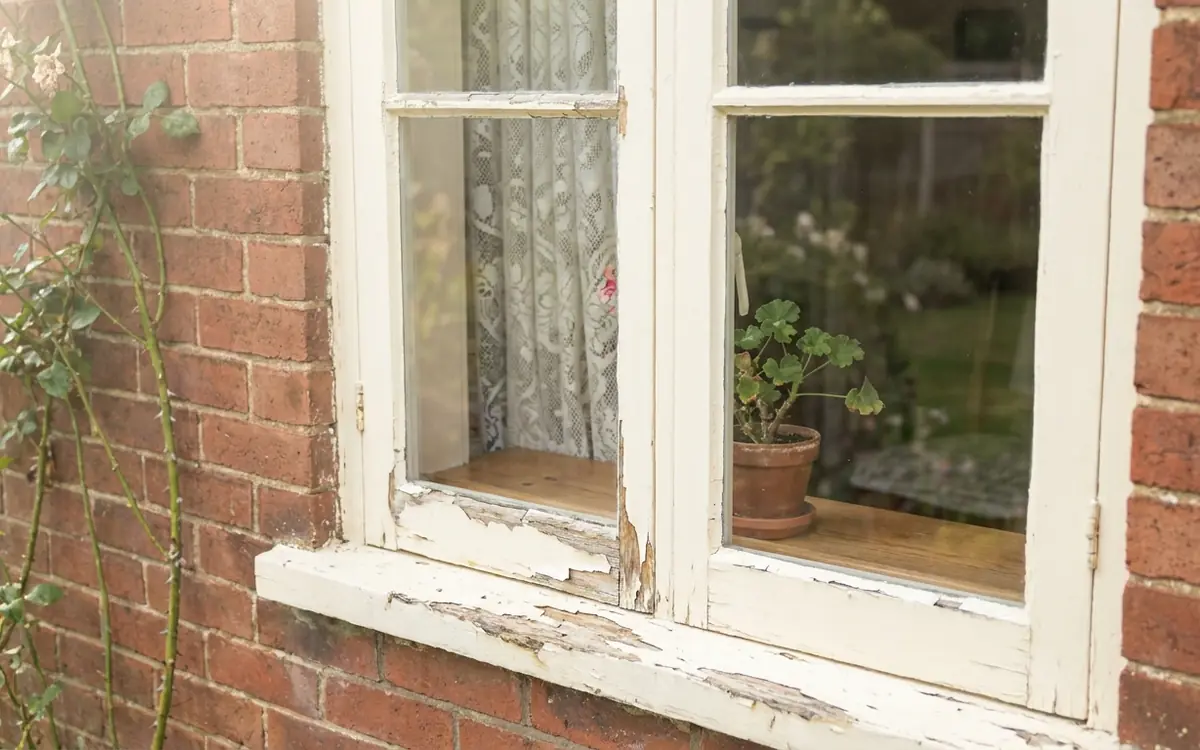
Saffron Walden's centre has a large number of listed buildings, many timber-framed, with jettied upper floors and leaded or small-paned windows. Some have pargeting, the raised decorative plasterwork that the north of Essex is known for. Old glass can be thin and uneven, and old putty and paint are easy to damage.
We clean old windows by hand or with pure water and a soft brush. We don't use scraper blades on old glass, we don't use solvents on old paint, and we never use pressure near plaster or timber. If a building is listed, we only clean; we don't treat or alter anything.
Leaded lights
Leaded windows have many small panes held in lead strips. Each strip is a ledge for dirt, and rubbing hard can push the lead out of shape. Pure water rinses the corners clean without anything being forced, and it leaves no soap in the lead to collect more dirt.
Hard water and chalk
The north-west of Essex sits on chalk, and the tap water is hard. Tap water and a bucket leave spots and a white bloom on glass and on glass conservatory roofs. Purified water has nothing in it to leave behind, which is why we use it on every clean.
Villages around the town
The villages around Saffron Walden, from Newport to the Sampfords, have plenty of homes with conservatories and solar panels on open, sunny roofs. Fields mean dust at harvest, and dust sits on shallow panels. Our solar panel clean and conservatory roof clean both use pure water with no chemicals.